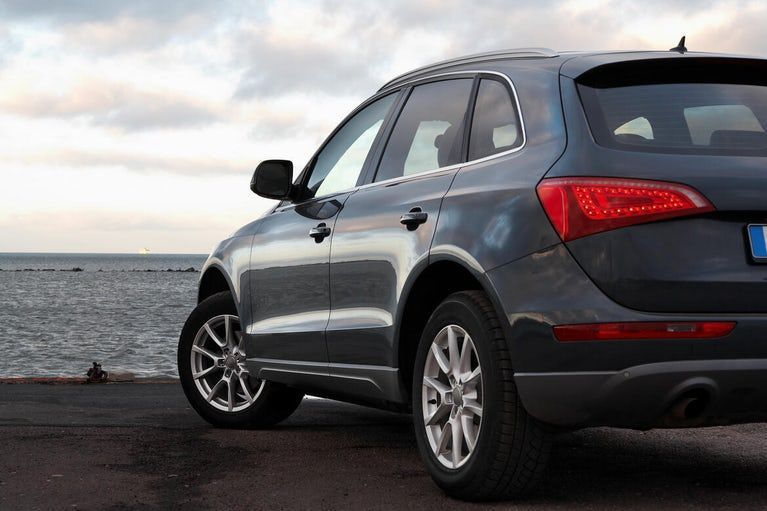
What to Do if You Hit a Deer While Driving

Hitting a deer can be a startling and dangerous experience, especially if it happens unexpectedly on a quiet road or at high speed. Unfortunately, these incidents are fairly common, particularly in areas with high wildlife populations or during certain times of the year when deer are more active. Knowing what to do after the collision can help protect your safety, reduce stress, and make the aftermath easier to manage.


The first step is to make sure you and your passengers are safe. Check for injuries and call 911 if anyone is hurt. Turn on your hazard lights, and if your car is still drivable, move it to the side of the road. Stay inside the vehicle if you're near traffic and wait for help to arrive. If the crash is serious or your car can’t be moved, use cones or flares if you have them to warn oncoming traffic.


Do Not Approach the Deer


It may be tempting to check on the deer, but you should never approach an injured or stunned animal. Even if it appears still, it could react suddenly and cause injury. Instead, contact local law enforcement or animal control to report the accident. They can respond to the scene and handle the situation safely. A police report may also be helpful when filing your insurance claim.


Call Your Insurance Company


Take photos of the damage to your vehicle, the surrounding road conditions, and the deer if it is still visible. Write down the time, location, and any relevant details, such as weather conditions or nearby landmarks. If there are any witnesses, get their names and contact information. Clear documentation will make the claims process much easier and help support your case if needed.


After ensuring safety and reporting the incident, contact your insurance carrier as soon as possible. Most comprehensive auto policies cover collisions with animals, but it's still a good idea to confirm your specific coverage. Keep your photos, notes, and police report handy. If your policy is with us, we can guide you through the next steps and help with any questions along the way.


Prepare for the Future


While it's impossible to prevent every accident, you can take steps to minimize the risk of future wildlife collisions. Stay alert, especially at dawn and dusk. Use your high beams when safe to do so, and scan the sides of the road for movement. Keep your speed reasonable in wooded or rural areas where deer are common.


It’s also wise to have a stocked emergency kit in your car. Include items like a flashlight, reflective warning triangles, first aid supplies, a phone charger, a water bottle, and a thermal space blanket to stay safe and comfortable in case you’re stuck waiting for help. Being prepared can make a difficult situation a lot more manageable.


If you’ve been in a collision or want to make sure your current coverage aligns with your needs, contact us today to review your auto insurance policy. It's a good time to ensure your insurance is current and that your policy fits your driving habits and risks.

By Chris Uzzo June 5, 2026
Starting and growing a family comes with many exciting milestones, but it also brings new responsibilities and financial risks. Between busy schedules, growing expenses, and changing priorities, insurance coverage is often overlooked. Unfortunately, small gaps in coverage can create major problems when the unexpected happens. Keeping the Same Coverage for Too Long Many young families continue using the same insurance policies they had before getting married, buying a home, or having children. As life changes, insurance needs often change as well. Coverage that worked a few years ago may no longer provide enough protection today. Underinsuring Personal Property Families tend to accumulate furniture, electronics, appliances, toys, and other belongings quickly. Many people underestimate the total value of their personal property until they experience a major loss. Creating a home inventory can make it easier to understand how much coverage may be needed. Choosing Coverage Based Only on Price It is natural to want affordable insurance, especially with the expenses that come with raising children. However, choosing the lowest-priced policy without understanding the coverage can lead to unexpected out-of-pocket costs later. Deductibles, liability limits, exclusions, and coverage options all matter. Not Updating Beneficiaries Life insurance and other financial accounts often require beneficiary updates after major life events such as marriage or the birth of a child. Forgetting to review this information can create complications later and may not reflect your current wishes. Many young families delay purchasing life insurance because they assume it is too expensive or unnecessary. In reality, life insurance can help provide financial stability for a spouse or children if something unexpected happens. Policies are often more affordable when purchased at a younger age. Ignoring Liability Protection  As families grow, liability risks can increase as well. Owning a home, hosting guests, having pets, or adding teenage drivers can all increase exposure to liability claims. Reviewing liability limits and discussing umbrella insurance may be worthwhile for some families. Forgetting to Review Coverage Regularly Insurance should not be treated as a one-time purchase. Families often experience changes in vehicles, income, home value, and lifestyle over time. Regular policy reviews can help identify gaps and ensure coverage continues to match current needs. Insurance may not always be top of mind during busy stages of life, but having the right coverage in place can help provide peace of mind and financial protection for your family. Taking a little time to review your policies now can help prevent larger problems later. Contact us today to review your insurance coverage and make sure your family is properly protected.
Why You May Need Personal Offense Coverage
By Chris Uzzo May 29, 2026
Slander and libel lawsuits are more common than you think. Learn what personal offense coverage is and whether your current policy includes it.
How to Insure a Travel Trailer or Camper
By Chris Uzzo May 29, 2026
Your camper still faces risks when it is parked for the winter. Learn how to adjust your travel trailer insurance during the off-season without losing coverage.